Canada Healthcare

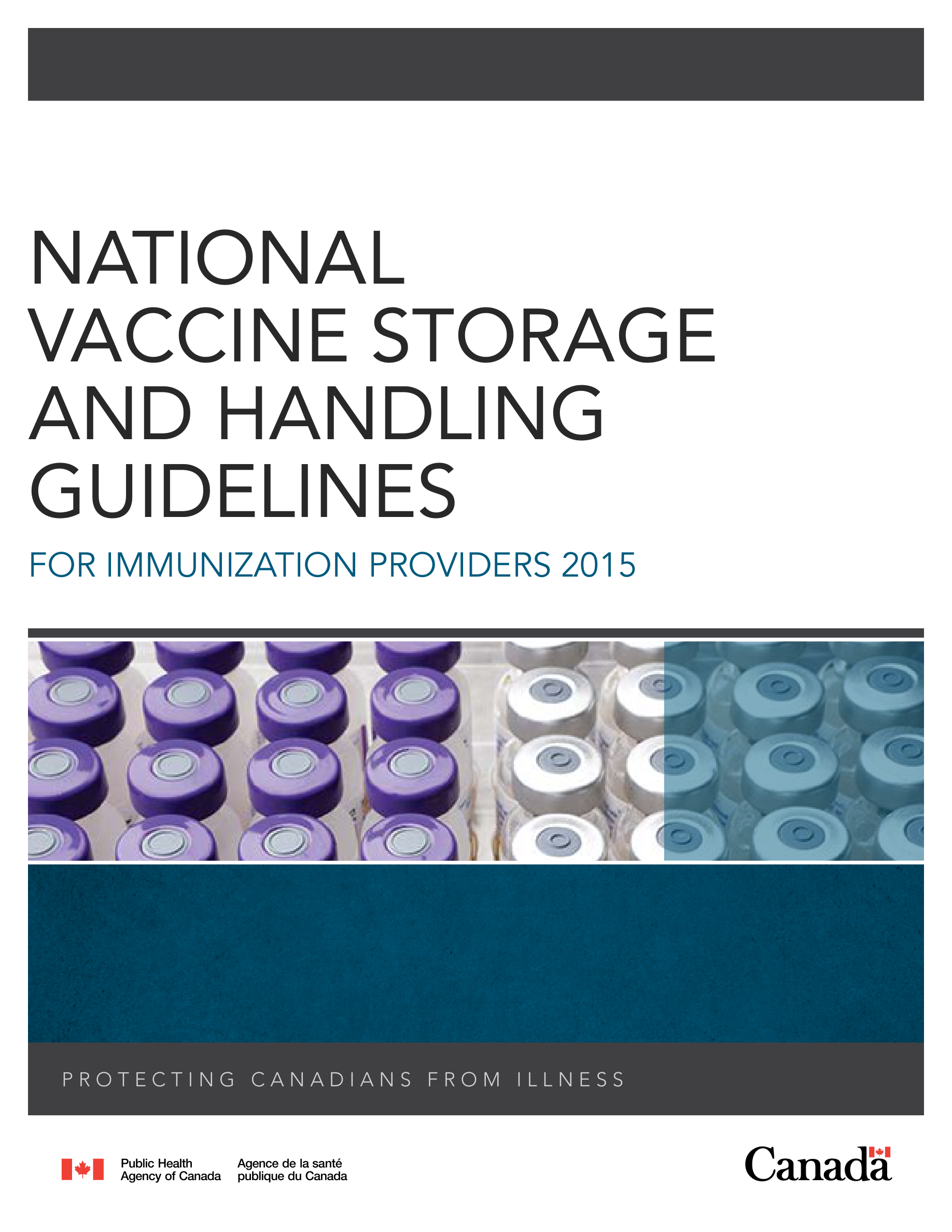
National Vaccine Storage and Handling Guidelines for Immunization Providers

The National Vaccine Storage and Handling Guidelines published by the Public Health Agency of Canada (PHAC) establish the national standard for vaccine cold chain management across all Canadian jurisdictions. ATEK's monitoring solutions help healthcare providers maintain compliance with these federal guidelines while protecting valuable vaccine inventory.

Authority: Public Health Agency of Canada (PHAC)

Why Choose ATEK for PHAC Vaccine Guidelines Compliance

Meet National Standards

Continuous monitoring satisfies all PHAC requirements for vaccine storage and handling.

Automated Compliance

Documentation for routine, urgent, and inappropriate storage condition protocols generated automatically.

Protect Vaccine Inventory

Real-time alerts prevent vaccine loss from undetected temperature excursions.

Audit-Ready Records

Complete temperature logs and calibration certificates ready for public health inspections.

PHAC Vaccine Guidelines Requirements

Key compliance requirements and how ATEK addresses each one.

Requirement Description ATEK Solution
PHAC.1
Temperature Range
Refrigerated vaccines: +2°C to +8°C with target of +5°C. Frozen vaccines: -15°C or colder.
Precision Temperature Monitoring
Continuous monitoring with configurable alerts at +2°C and +8°C boundaries for refrigerated and -15°C for frozen vaccines.
PHAC.2
Twice Daily Monitoring
Temperature must be recorded at minimum twice daily - at the start and end of each workday.
Automated Continuous Logging
Automatic temperature recording every 15 minutes far exceeds the twice-daily requirement with complete audit trails.
PHAC.3
Vaccine Coordinator
Each facility must designate a primary vaccine coordinator and a backup delegate.
Role-Based Access Control
Configure coordinator and backup access levels with designated alert recipients and reporting responsibilities.
PHAC.4
Written Procedures
Written protocols required for: routine vaccine storage and handling, urgent vaccine storage and handling, and management of inappropriate vaccine storage conditions.
Automated Documentation
System generates documentation for routine operations, urgent events, and inappropriate storage condition incidents automatically.
PHAC.5
Equipment Standards
Purpose-built pharmaceutical refrigerators preferred. Dedicated vaccine-only storage required.
Universal Equipment Integration
Monitor any refrigerator or freezer type with wireless sensors that require no equipment modifications.
PHAC.6
Staff Training
Annual refresher training mandatory for all personnel handling vaccines.
User-Friendly Dashboard
Intuitive interface enables trained staff to quickly access data, respond to alerts, and generate compliance reports.

Understanding PHAC National Vaccine Guidelines

The National Vaccine Storage and Handling Guidelines for Immunization Providers, published by the Public Health Agency of Canada (PHAC), establish the federal standard for vaccine cold chain management. These guidelines ensure vaccines maintain their potency from manufacturer to patient across all Canadian provinces and territories.

Key Storage Requirements

PHAC cold chain requirements include:

  • Refrigerated Vaccines: +2°C to +8°C
  • Target Temperature: +5°C provides optimal safety margin
  • Frozen Vaccines: -15°C or colder
  • Monitoring Frequency: Minimum twice daily (start and end of workday)
  • Documentation: Complete temperature logs with min/max readings

Purpose-Built vs Domestic Refrigerators

PHAC recommends purpose-built pharmaceutical refrigerators because they:

  • Maintain more stable temperatures
  • Have uniform air circulation
  • Feature digital temperature controls
  • Include audible/visual alarms

Domestic refrigerators may be used if they meet specific requirements, but require more careful monitoring and placement of vaccines away from walls, vents, and the door.

Cold Chain Breach Procedures

When temperature excursions occur, PHAC requires a systematic response:

  1. Immediate Documentation: Record the incident details including duration and temperature readings
  2. Vaccine Segregation: Mark affected vaccines “DO NOT USE” and store separately
  3. Contact Public Health: Consult your regional public health authority before discarding
  4. Complete Incident Report: Document all actions taken and outcome

ATEK automatically captures all data needed for incident reporting:

  • Exact time the excursion began and ended
  • Minimum and maximum temperatures during the event
  • Duration of the temperature deviation
  • Complete audit trail for regulatory review

Required Written Protocols

1. Routine Vaccine Storage and Handling

PHAC requires written procedures for day-to-day operations:

  • Receiving and inspecting vaccine shipments
  • Proper storage placement and organization
  • Inventory management and rotation
  • Regular temperature monitoring and documentation

2. Urgent Vaccine Storage and Handling

Facilities must have procedures for:

  • Power outages (planned and unplanned)
  • Equipment malfunction or failure
  • Natural disasters or facility emergencies
  • After-hours response protocols

3. Management of Inappropriate Vaccine Storage Conditions

Documented procedures for temperature excursions:

  • Immediate response steps
  • Documentation requirements
  • Contact information for public health authority
  • Decision tree for vaccine disposition

How ATEK Supports PHAC Compliance

Continuous Monitoring

ATEK monitors vaccine storage temperatures every 15 minutes, far exceeding the twice-daily minimum. This provides:

  • Early warning of developing problems
  • Complete temperature history
  • Evidence of continuous compliance
  • Data for trend analysis

Immediate Alerts

When temperatures approach or exceed limits, ATEK sends alerts via:

  • SMS text message
  • Email notification
  • Phone call escalation

Alert recipients can be configured to match your facility’s chain of responsibility, ensuring the vaccine coordinator and backup delegate receive appropriate notifications.

Documentation Ready for Inspections

ATEK maintains complete records for public health audits:

  • Temperature logs with timestamps
  • Calibration certificates
  • Excursion reports with corrective actions
  • Equipment maintenance records

Equipment Requirements

PHAC specifies requirements for vaccine storage equipment:

Refrigerator Standards

  • Purpose-built pharmaceutical refrigerators preferred
  • Domestic refrigerators acceptable if meeting specifications
  • No door storage of vaccines
  • Dedicated vaccine-only units required
  • Adequate capacity for vaccine inventory

Temperature Monitoring Devices

  • Digital display showing current temperature
  • Min/max temperature recording
  • Valid calibration certificate
  • Downloadable data capability
  • Placement in central area of storage unit

ATEK sensors meet all PHAC temperature monitoring requirements and provide additional features including wireless connectivity, cloud storage, and automated reporting.

Training Requirements

PHAC mandates that all personnel handling vaccines receive:

  • Initial training on cold chain management
  • Annual refresher training
  • Documentation of training completion
  • Access to written procedures and guidelines

ATEK’s user-friendly dashboard supports training requirements by providing intuitive access to monitoring data, alert management, and compliance reporting.

PHAC Vaccine Guidelines FAQs

What temperature range does PHAC require for vaccine storage?

PHAC requires refrigerated vaccines to be stored between +2°C and +8°C, with a target temperature of +5°C for optimal safety margin. Frozen vaccines must be stored at -15°C or colder. ATEK monitors continuously and alerts when temperatures approach these limits.

How often must temperatures be recorded under PHAC guidelines?

PHAC requires temperature recording at minimum twice daily - at the start and end of each workday. ATEK exceeds this requirement with continuous monitoring every 15 minutes, providing comprehensive temperature history.

What is a cold chain breach and what should I do?

A cold chain breach occurs when vaccines are exposed to temperatures outside the recommended range. PHAC requires immediate documentation, vaccine segregation (marked 'DO NOT USE'), and consultation with your public health authority before discarding any vaccines. ATEK automatically captures all breach data for reporting.

Does ATEK meet PHAC requirements for temperature monitoring devices?

Yes, ATEK digital data loggers meet all PHAC requirements including current/min/max temperature display, calibration certificates, continuous monitoring capability, and downloadable temperature logs for audit purposes.

What written protocols does PHAC require facilities to have?

PHAC requires written procedures for: 1) Routine vaccine storage and handling (receiving, storage, inventory, day-to-day operations), 2) Urgent vaccine storage and handling (power failures, equipment malfunction, emergencies), and 3) Management of inappropriate vaccine storage conditions. ATEK supports all three with automated documentation and alerts.

Who should be designated as the vaccine coordinator?

PHAC requires each facility to designate a primary vaccine coordinator responsible for all aspects of vaccine management, plus a backup delegate. ATEK's role-based access allows you to configure appropriate permissions and alert routing for both roles.

Need Help with PHAC Vaccine Guidelines Compliance?

Our team of compliance experts can help you implement monitoring solutions that meet PHAC Vaccine Guidelines requirements. Contact us for a consultation or demo.

Customized compliance assessment for your facility

Validation documentation packages (IQ/OQ/PQ)

Expert support for audits and inspections

Speak with a Compliance Expert

Our team is available to discuss your specific PHAC Vaccine Guidelines compliance requirements.

compliance@atek.io

Get in Touch

Ready to Simplify PHAC Vaccine Guidelines Compliance?

Join organizations that trust ATEK to maintain compliance with continuous environmental monitoring.