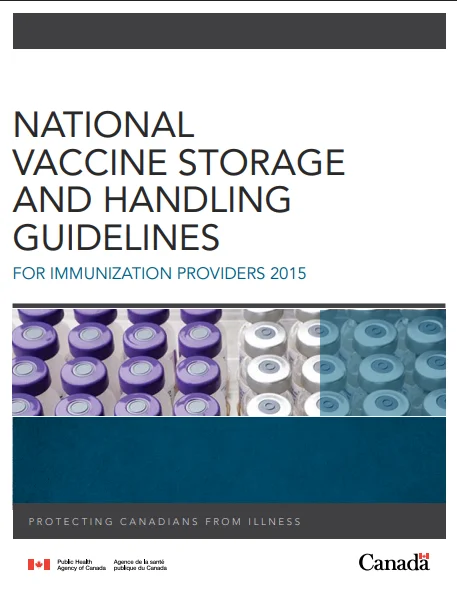
Understanding Canada’s Vaccine Storage Requirements
The National Vaccine Storage and Handling Guidelines represent Canada’s commitment to maintaining vaccine integrity throughout the entire cold chain. Administered by the Public Health Agency of Canada (PHAC), these guidelines are mandatory for all healthcare facilities, pharmacies, and immunization clinics that store and administer vaccines.
Regulatory Scope and Authority
The guidelines apply to all institutions that:
- Store vaccines for administration to patients
- Maintain vaccine inventory and cold chain documentation
- Employ staff who handle vaccines
- Operate refrigeration or freezer equipment for vaccine storage
Core Temperature Requirements
Refrigerator Storage (2-8°C): Most vaccines require refrigeration at 2-8°C in dedicated vaccine refrigerators. This narrow temperature range must be maintained consistently to prevent vaccine degradation.
Freezer Storage (-15°C or colder): Certain vaccines require freezer storage at -15°C or colder, with some requiring ultra-cold conditions at -20°C or below. Temperature stability is critical to prevent vaccine loss of potency.
Temperature Monitoring: Every vaccine storage unit must have continuous monitoring capability with daily minimum and maximum temperature readings recorded and maintained as part of the permanent facility record.
Key Compliance Requirements
Temperature Monitoring and Documentation
Facilities must implement continuous digital temperature monitoring systems that automatically record temperatures at regular intervals. Manual thermometers alone are insufficient; facilities must use data loggers or automated monitoring systems that provide objective evidence of temperature maintenance.
Temperature readings must be:
- Recorded daily (minimum and maximum)
- Maintained as permanent facility records
- Reviewed and signed off by responsible staff
- Made available for regulatory inspection
Emergency Contingency Planning
Every facility must have a documented emergency response plan addressing:
- Power failure procedures and backup power systems
- Alternative vaccine storage options during equipment failure
- Decision-making protocols for damaged or exposed vaccines
- Communication procedures with health authorities
- Vaccine loss documentation and reporting
Staff Training and Competency
Annual training for all vaccine-handling staff must cover:
- Proper vaccine storage and handling procedures
- Temperature monitoring system operation
- Recognition and response to temperature excursions
- Emergency procedures and contingency planning
- Record-keeping and documentation requirements
Training records must be maintained and made available during regulatory inspections.
Vaccine Storage Unit Maintenance
Refrigerators and freezers must be:
- Professionally serviced annually
- Positioned away from heat sources and direct sunlight
- Located away from external walls and high-traffic doors
- Maintained with proper ventilation to ensure temperature stability
- Equipped with functioning locks when appropriate
ATEK’s Comprehensive Compliance Solution
ATEK’s environmental monitoring platform is specifically designed to help Canadian healthcare facilities and immunization programs maintain continuous compliance with National Vaccine Storage and Handling Guidelines.
Continuous Temperature Monitoring
Our system provides:
- Real-time temperature data collection from refrigerator and freezer units
- Automatic alerts when temperatures drift outside acceptable ranges
- Complete digital records of minimum and maximum temperatures
- Historical data archives for regulatory review
Automated Alerts and Emergency Response
When a temperature excursion occurs:
- Immediate notifications are sent to facility staff
- Complete documentation is automatically created
- Temperature data is preserved for analysis
- Emergency response protocols are supported with accurate information
Complete Documentation and Audit Trails
ATEK maintains comprehensive records including:
- Daily temperature readings and extremes
- All alerts and notifications sent to staff
- Temperature excursions and corrective actions
- Staff training completion and records
- Vaccine inventory changes and movements
- Equipment maintenance schedules and results
Staff Training Management
We provide tools to:
- Track annual training completion dates
- Maintain training documentation
- Schedule refresher training reminders
- Generate training reports for audits
Integration with Emergency Procedures
ATEK integrates seamlessly with facility emergency response procedures:
- Immediate notification during equipment failure
- Decision support with accurate temperature history
- Documentation of vaccine assessment decisions
- Communication logs with health authorities
- Vaccine loss and adjustment documentation
This integration ensures rapid response to emergencies while maintaining the documentation needed for regulatory compliance.
Preparing for Regulatory Inspection
Canadian health authorities conduct regular inspections of vaccine storage facilities. ATEK helps you prepare by:
- Maintaining complete temperature records
- Providing organized documentation of monitoring activities
- Tracking staff training and competency
- Recording all maintenance activities
- Documenting emergency responses and corrective actions
- Generating comprehensive compliance reports
All records are organized and readily available for inspector review.
Best Practices for Vaccine Storage
Refrigerator Management
- Maintain clear separation between different vaccine types
- Organize vaccines by expiration date with earliest-expiring vaccines at front
- Avoid blocking vents that ensure air circulation
- Keep freezer compartments closed to reduce temperature fluctuations
- Store vaccines in the main compartment, not on door shelves
- Keep diluents at appropriate temperatures as specified by manufacturer
Inventory Control
- Conduct monthly vaccine audits comparing physical inventory to records
- Separate expired vaccines clearly and document removal
- Maintain detailed records of vaccine movements and usage
- Track vaccine losses separately from normal usage
- Monitor cold chain integrity from receipt to administration
Environmental Monitoring
- Position temperature sensors in representative locations within storage units
- Avoid direct contact between vaccines and cold source
- Use data loggers to track temperature in actual storage zones
- Review monitoring data weekly for trends or anomalies
- Document facility environmental conditions (room temperature, humidity)